
White-Label Video Editing for Vancouver Agencies: Extra Capacity Without Hiring
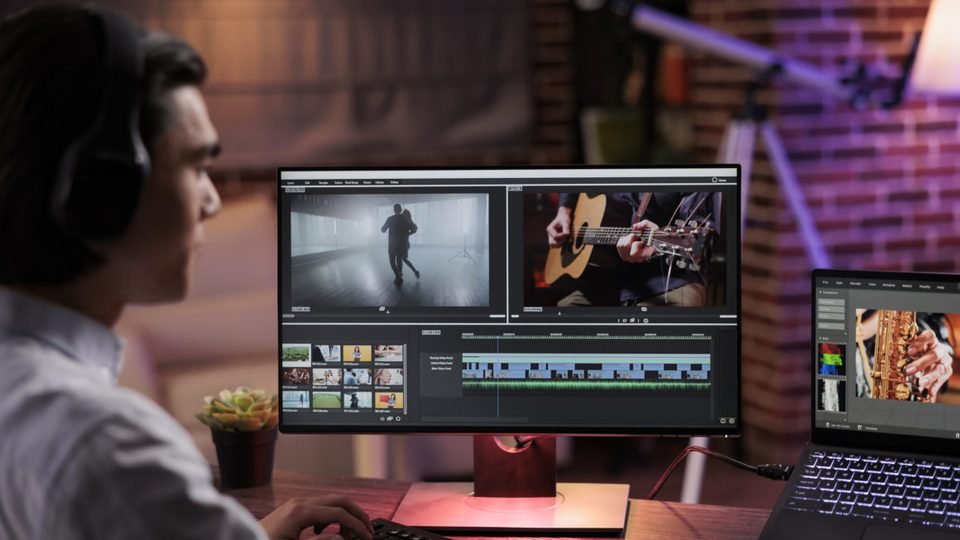
Vancouver agencies sell video easily. A tourism board wants a season of Reels, a real-estate group wants walkthroughs every week, a tech startup wants founder clips and product demos, and a local restaurant group wants a new short every Friday. Selling that work takes one meeting. Delivering it takes hours of cutting, captions, colour, sound and exports in every format a platform demands — and it takes it every single week, without a quiet month to catch up.
That is where most Vancouver agencies hit the same wall. One good editor can carry a few clients well. Ten clients with weekly video needs a system, not a hero — and hiring a full in-house team for the peaks means paying for it in the troughs too. White-label video editing is the middle path: a production team edits behind the scenes while the agency keeps the client, the strategy and its own name on the work. This article explains how it works for Vancouver agencies, what to brief, and how to judge whether it is working.
What white-label video editing covers
Video editing for agencies is not one job. A useful white-label service usually covers:
- Short-form: Reels, Shorts and TikToks cut from longer footage, with hooks in the first two seconds, captions that read cleanly on mute, and safe zones respected so nothing important hides under platform buttons.
- Long-form: YouTube videos and podcast episodes, with chapters, clean cuts, B-roll where it earns its place, and audio that stays level from start to finish.
- Podcast clips: the strongest 30–60 seconds pulled out of an hour-long recording, reframed vertical, captioned, and ready to post the same day the episode goes out.
- Ads and promos: short paid-social cuts with a clear call to action, delivered in the aspect ratios each placement needs, not one square file stretched to fit everywhere.
- Repurposing: one shoot or one long video turned into a week's worth of posts, so a client who filmed once is not paying to film again every week.
The point is not just that the edits get done. It is that they get done in the agency's style, on the agency's schedule, without the client ever needing to know a second team touched them.
Why Vancouver agencies white-label editing
Vancouver is a production city, and that cuts both ways. There is plenty of footage being shot — mountains, ocean, downtown, neighbourhoods — but the cost of keeping senior editors on staff in the city is high, and the workload is seasonal. Tourism and hospitality spike in summer, retail spikes before the holidays, and a quiet February still has retainers to serve. An agency that hires for the peak carries that cost through the quiet months; an agency that hires for the average turns work away at the peak.
White-label editing smooths that out. The agency takes on the client and the brief, and the editing capacity flexes with the actual workload. A second reason is focus: Vancouver agencies are often small, senior teams. Their best people should be in the room with the client, shaping strategy and selling the next campaign — not spending Tuesday night syncing audio. A third reason is speed. When a client sends footage on Monday and wants posts by Wednesday, the bottleneck is almost never the idea. It is the edit queue.
None of this means the agency gives up control. In a proper white-label setup the agency still approves the style, still reviews the first cut, and still sends the final file to the client under its own name. The production partner is invisible to the client by design.
How to brief white-label editing so it works
Good white-label editing starts with a brief that an editor who has never met the client can follow. The briefs that work best share four things:
- One reference edit. Not ten links and a mood board — one finished video that shows the pace, the caption style and the colour the client expects. Everything else is a note against that reference.
- The raw footage, labelled. Folder names that say what is in them, the best takes marked, and any footage that must not be used flagged before the edit starts, not after the first cut.
- The non-negotiables, written down. Logo placement, brand colours, words that must never be captioned wrong, a client's name pronounced a particular way. A list of five beats a paragraph of vibes.
- A real deadline and a real reviewer. Who approves the cut, and by when? A brief with no named reviewer drifts; a brief with one gets answered.
Agencies that brief this way usually get a first cut they can send on with small notes. Agencies that brief with "make it pop" usually get a first cut that starts a long argument about taste.
The mistakes that make agency video look cheap
Most bad agency video is not badly edited. It is badly briefed, badly finished, or badly exported. The mistakes that show up most often:
- Captions that fight the footage. Text over faces, text that changes size mid-sentence, or captions that lag the voice by half a second. Viewers notice, even if they cannot name it.
- A hook that arrives at ten seconds. Short-form viewers decide in two. If the first shot is a logo animation and the point arrives later, the video is already gone.
- One export for every platform. A horizontal YouTube cut cropped to vertical is not a vertical video. The framing, the captions and the safe zones all need to be built for the format.
- Audio that jumps. Music too loud under the voice in one section and gone in the next, or a cut where the room tone changes and nobody smoothed it. Audio is half the edit, and it is the half clients forgive least.
- No version control. "Final_v7_REAL_final.mp4" is how a wrong version goes to a client. A white-label partner should own file naming and delivery, so the agency always sends the right cut.
A good partner catches these before the agency does. That is the test of the relationship: not whether the first cut is perfect, but whether the second cut is.
What to check in the first month
The first month of a white-label relationship tells an agency almost everything it needs to know. Check these five things, honestly:
- Turnaround: did the first cuts arrive when promised, or did the agency have to chase them? One late delivery in week one is a warning, not a one-off.
- Revision count: how many rounds did the first three videos need? Two rounds is normal while a style beds in. Five rounds on every video means the brief or the partner is wrong.
- Consistency: do the captions, colours and pacing match across different clients, or does each video look like a different editor made it?
- Communication: when something was unclear, did the partner ask before guessing, or guess and hope? The asking is the professionalism.
- Client reaction: did any client notice a change at all? The best white-label work is invisible — the client just thinks the agency got faster.
If those five look right after a month, the relationship is worth growing. If two or more look wrong, fix the brief first; if the brief was good and the work still missed, the partner is the problem.
FAQ
Does the client ever find out the editing is white-labelled? Not from the work itself. The agency briefs, reviews and delivers; the production partner never contacts the client, never appears in the credits unless the agency asks, and never uses the client's footage for its own promotion.
Who owns the edited files? The agency does, under its agreement with the client. A white-label partner should hand over project files or exports on request and keep copies only for as long as the agency needs revisions.
Can white-label editing handle a rush job? Sometimes, and an honest partner says so upfront. A same-day turnaround is possible for a single short cut with clean footage; a same-day full YouTube edit with messy audio is not, and anyone who promises it is guessing.
What does Nexolent actually do here? Nexolent is a white-label creative agency. For video editing, that means editing capacity — short-form, long-form, podcast clips and repurposing — delivered behind an agency's brand, so the agency keeps the client and the credit. Nexolent claims 2k+ projects; that is the agency's claim, not an independently verified figure, and no specific client or result is claimed in this article.
How do we start? Send a sample brief and a piece of footage. One test edit, reviewed the way a real client job would be, tells both sides more than a sales call. Reach Nexolent on WhatsApp (UK +44 7575 150984 or Pakistan +92 314 9633145) or by email at info@nexolent.com.
Get in touch
Ready to talk about your project? Reach Nexolent directly:
WhatsApp (UK) WhatsApp (Pakistan) Email us